
Winter Line Maintenance: Protecting Your Underground Utilities from Harsh Weather
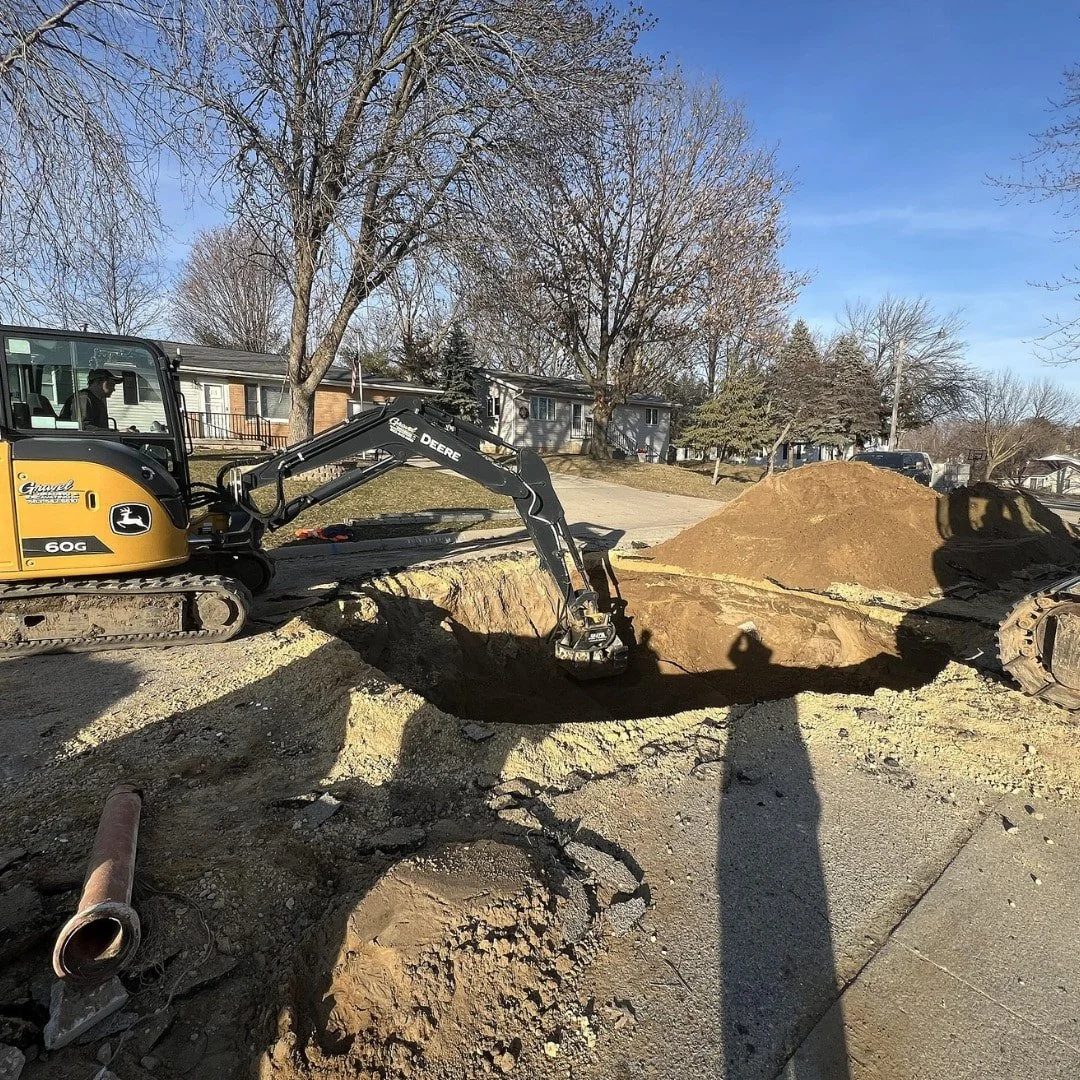
When temperatures drop and the ground freezes, underground utility lines face increased risks from frost heave, shifting soil, and heavy snow loads. Whether you manage water lines, drainage tile, or other essential underground systems, winter maintenance is key to preventing costly damage and ensuring everything operates smoothly through the cold months. Here’s what you need to know about winter line maintenance and how to keep your systems in top shape.
Understanding the Impact of Winter on Underground Lines
Winter weather can be brutal on buried infrastructure. As the ground freezes and thaws, it expands and contracts, potentially causing pipes or drainage systems to shift, crack, or even collapse. Heavy snow and ice accumulation can also put excess weight on above-ground access points like manholes or risers, leading to damage or blockages. For farm drainage systems, frozen or clogged tile can create standing water in fields, impacting spring planting.
Key Winter Line Maintenance Steps
1. Inspect Before the Freeze
The best way to avoid winter-related issues is to inspect and address problems before the cold sets in. Check for:
Leaks or cracks in water lines and tile outlets
Blockages caused by sediment buildup or debris
Shallow pipes that may need added insulation or soil coverage to prevent freezing
2. Keep Drainage Tile Functioning Properly
Frozen or clogged drainage tile can prevent water from moving away from fields, leading to poor drainage in the spring. To avoid issues:
Ensure outlets are clear of debris, ice, or sediment.
Check for rodent activity, as burrowing animals can damage tile lines and create blockages.
Consider adding surface inlets in problem areas to prevent excess water buildup.
Read more about clogged drain one of our customers experienced in 2024 at his blog.
3. Prevent Water Line Freezing
Frozen water lines can lead to costly repairs and major disruptions. Take these precautions:
Insulate exposed lines or vulnerable areas with foam or heat tape.
Keep a slow trickle of water running in extreme cold to prevent freezing.
Ensure proper depth when installing new lines to keep them below the frost line.
4. Monitor Soil Movement
Frost heave can cause underground pipes to shift or even rupture. If you notice:
Unusual wet spots in fields or near utility lines
Uneven ground or heaving soil around tile inlets
Changes in drainage patterns after a thaw
…it may be time to inspect and repair affected areas to prevent long-term damage.
5. Plan for Spring Repairs
Even with the best precautions, winter can take a toll on underground systems. If you suspect damage but can’t address it immediately, create a plan for spring repairs. Early maintenance can prevent small issues from turning into major expenses.

Why Professional Maintenance Matters
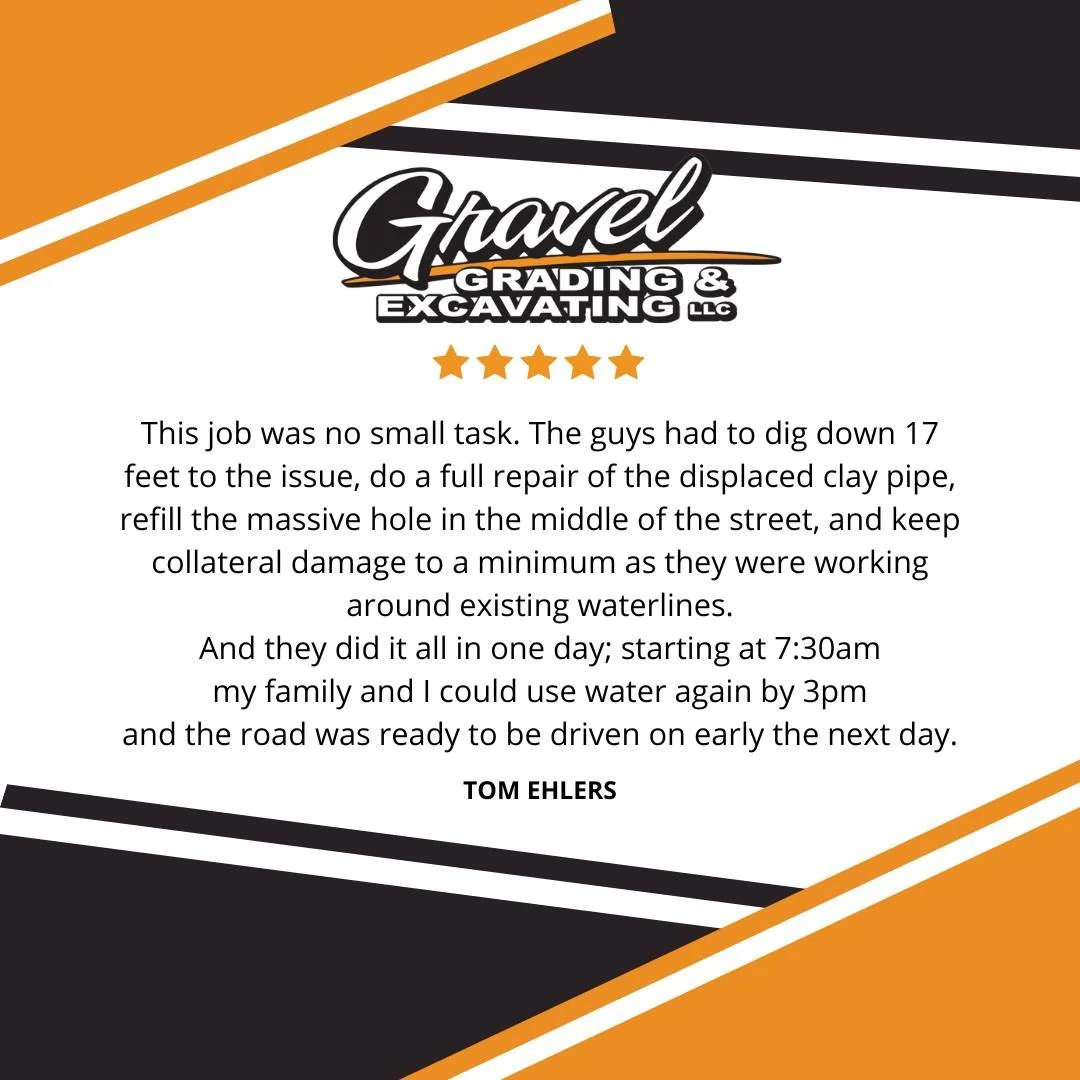
While some winter line maintenance tasks can be handled independently, a professional grading and excavating team can help ensure your underground utilities remain in peak condition. Our team at Gravel Grading and Excavating has the equipment and expertise to inspect, repair, and install drainage tile, water lines, and other essential underground systems.
If you’re concerned about your underground utilities this winter or need expert advice on maintenance and repairs, give us a call. Preventative care now can save you time, money, and headaches when spring arrives!
📞 Contact us today at 563-542-6610 to schedule an inspection or discuss your winter line maintenance needs!